Very few things on earth are as valuable as written words. I read because it affords me the opportunity to borrow someone else’s eyes — someone who has been somewhere I haven’t gone, lived in a time I long to hop in the DeLorean and visit. Someone whose expertise allowed them to do the research I’m not capable of.
Give me history, and give it to me told well — the crash of 1929 from inside the room where it happened, a murder in a small Southern town that reveals everything about the place, the frontier as the people living it actually experienced it. I’ll take a good novel when it earns its keep, and I’ll take an argument that makes me rethink something I assumed I had already settled. What I want is the same with every book: to come out of it knowing what I didn’t, and to be totally honest, I want to feel something meaningful while I learn it.
That accumulation does something to a person. You start noticing that the confident version of a story usually has a quieter one underneath it, and that the people telling both are convinced they’re being fair. You get less impressed by certainty and more interested in where it came from. A reader carries a longer memory than the room they’re standing in — you’ve seen this argument before, in another century, with different names attached. That doesn’t make you right. It makes you harder to fool, slower to panic, and more useful to the people around you than you’d otherwise be. It makes you more capable of understanding the world you live in, and more aware of who you are, and what you’re about.
Fig. 01 / The Notes
-
A People's History of the United States
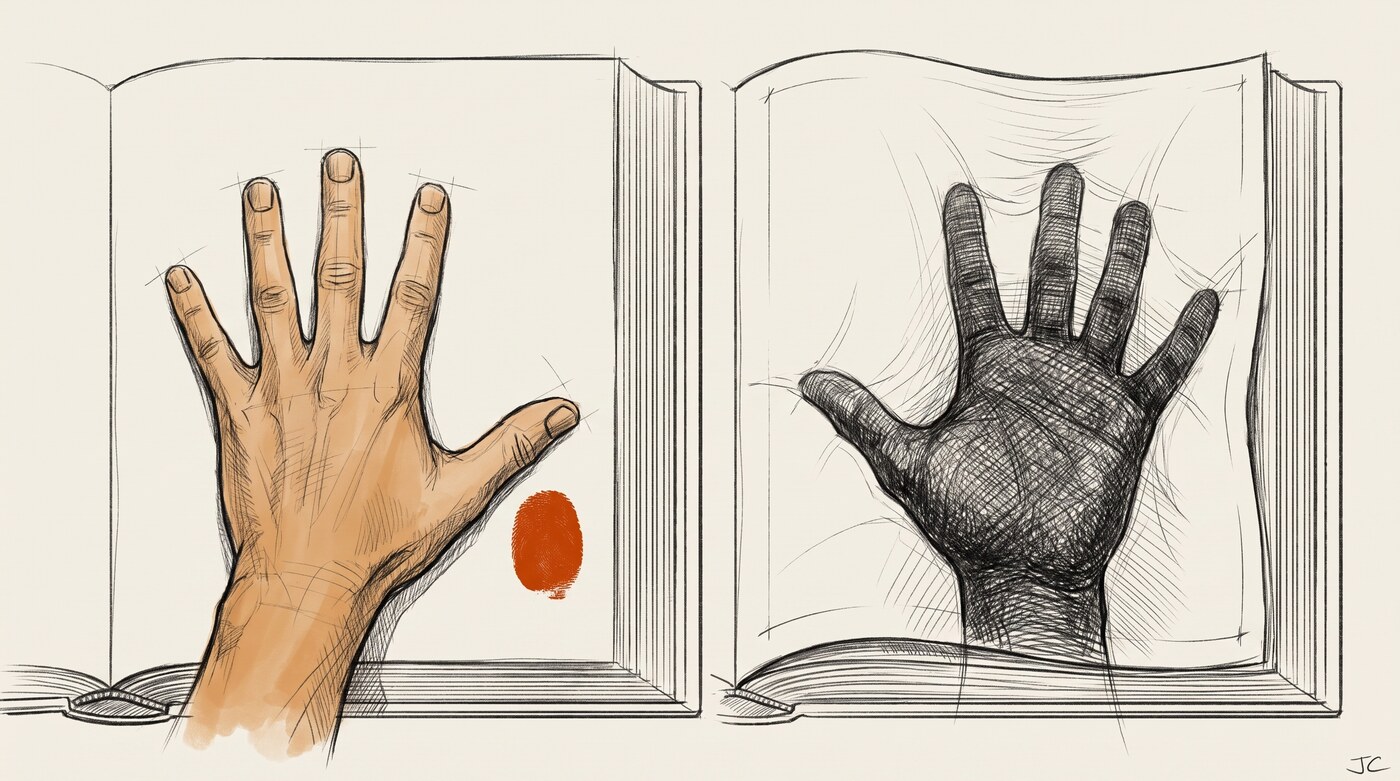
Howard Zinn opens A People's History by admitting he's taking a side. A truth-seeker on why a historian who declares his bias is easier to trust than one who calls his own position common sense.
-
The Lost World of Genesis One
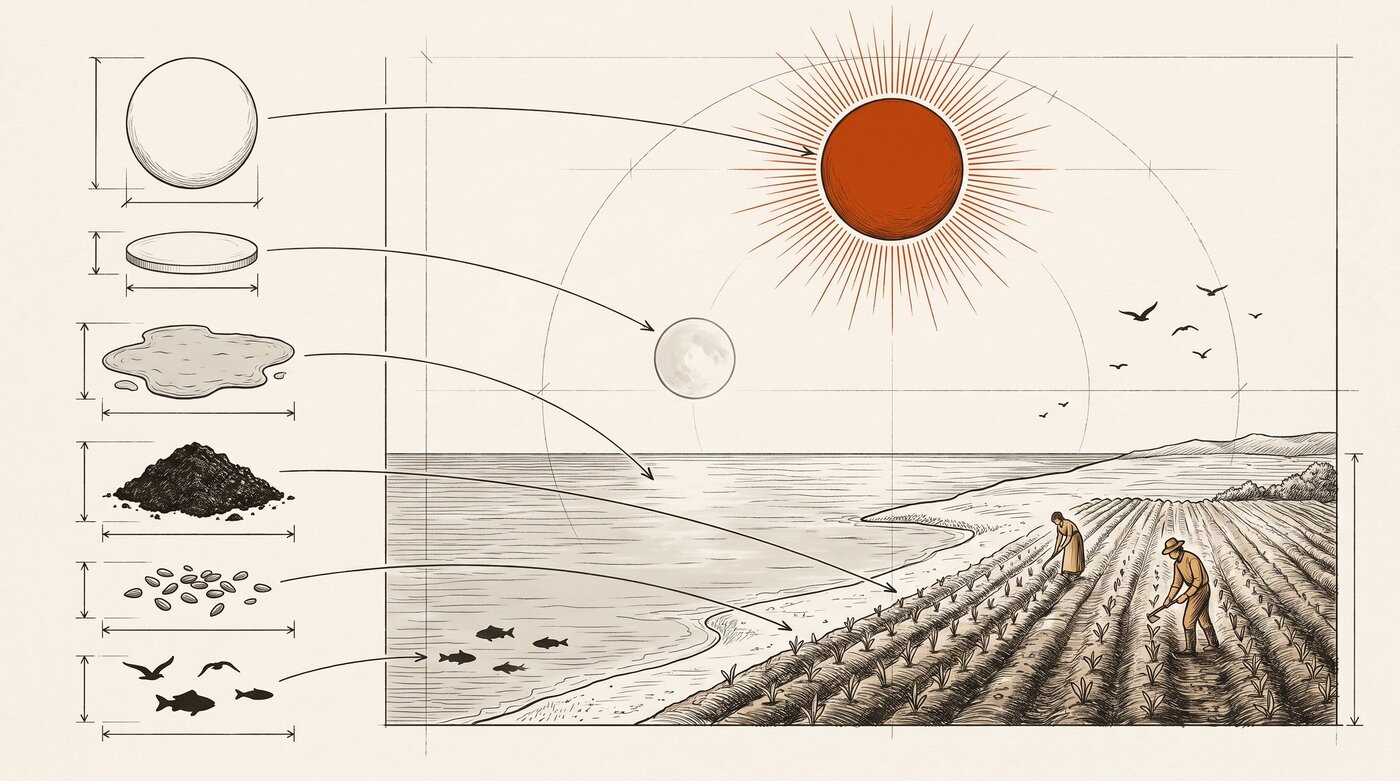
Halfway through John Walton's The Lost World of Genesis One. What if the first readers of Genesis heard 'create' as assigning purpose rather than making matter? An early observation, written down before the full think-through.