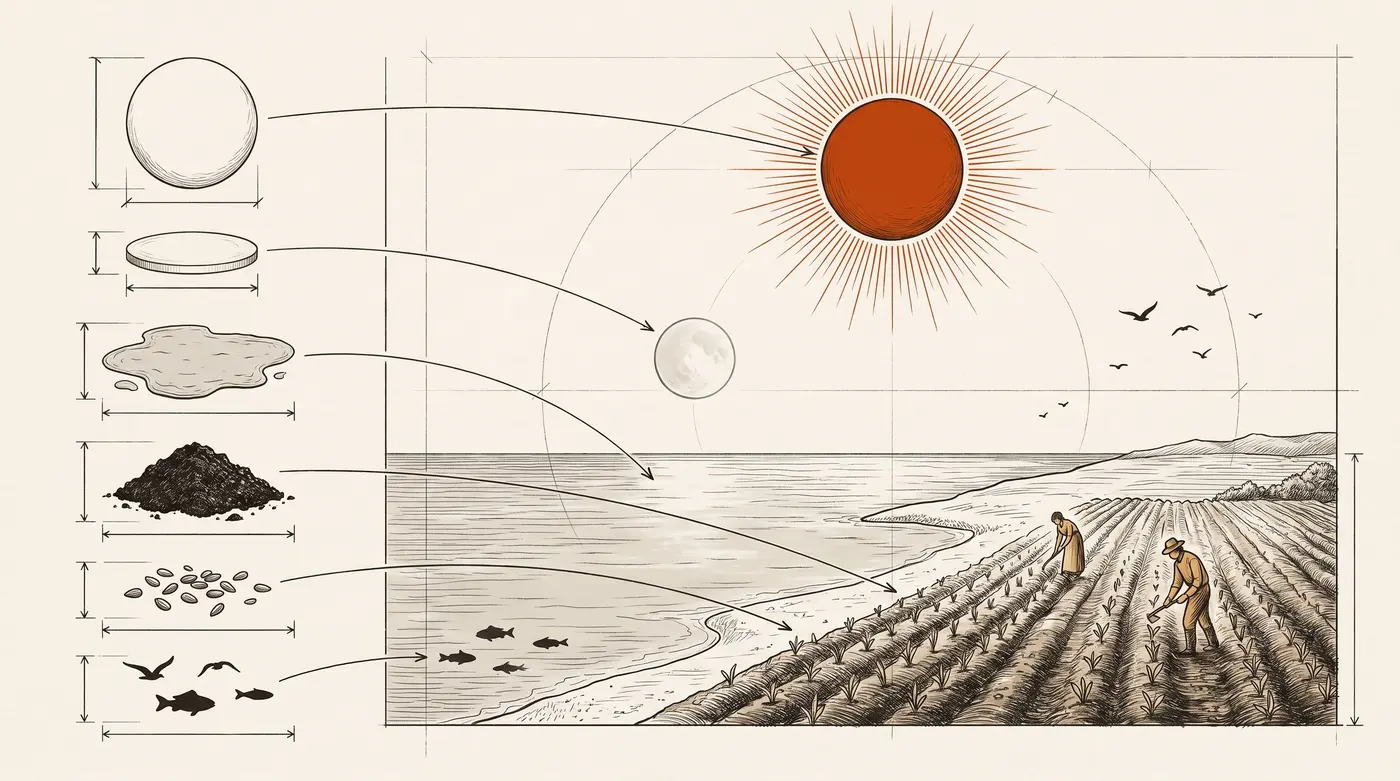
I’m reading a book right now called The Lost World of Genesis One by John Walton. Walton proposes the idea that the ancient audience who first read the Genesis account of creation would have been preoccupied not with the material creation of the universe, but with each element of creation getting its functional purpose assigned by God, which the author purports was the defining work actually being described in the first few verses of Genesis chapter 1.
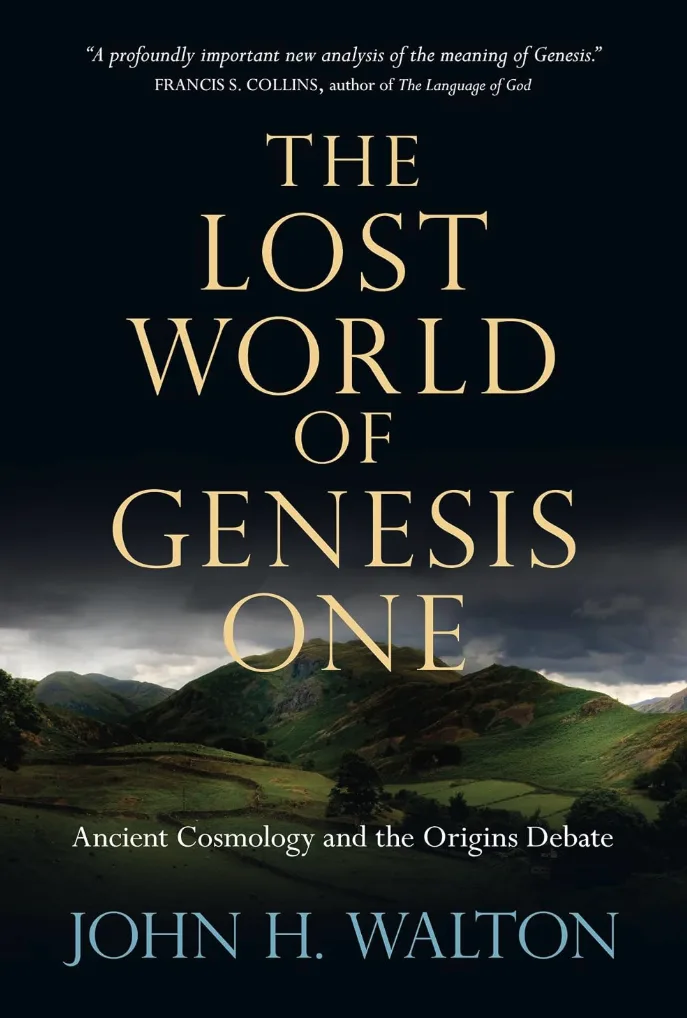
I’m about halfway through the book, and the most fascinating notion to me so far is the idea that Genesis chapter one does not necessarily commence with absolutely nothing materially existing.
Walton carefully draws this conclusion by comparing other ancient creation literature — not to refute a more traditional understanding of creation, but to set the stage for understanding the mental lens through which the ancient audience would have read and interpreted the creation account of the Bible. He makes it clear that the earliest readers would have started their reading with a functional ontology frame rather than a material ontology frame. At this early stage, I can’t affirm Walton’s thesis with any real conviction, but I will admit he makes a convincing case that other ancient writings support this particular ontological view as the one most likely in alignment with how the ancient world understood what was written.
I plan to share more about this once I’ve finished the book and had the time to do some thinking. But I wanted to get this initial observation on paper before I forget — the idea that perhaps the lens we use for reading the creation account is grossly over-influenced by our cultural understanding of what “create” actually means — and the idea that “create” for us invokes a different question in our minds than it did to the first audience of Genesis.
Either way, God is the author of all things. Walton hasn’t hinted at denying that in any way so far, and knowing his background and position, I’m reasonably sure he never does.
About Joe
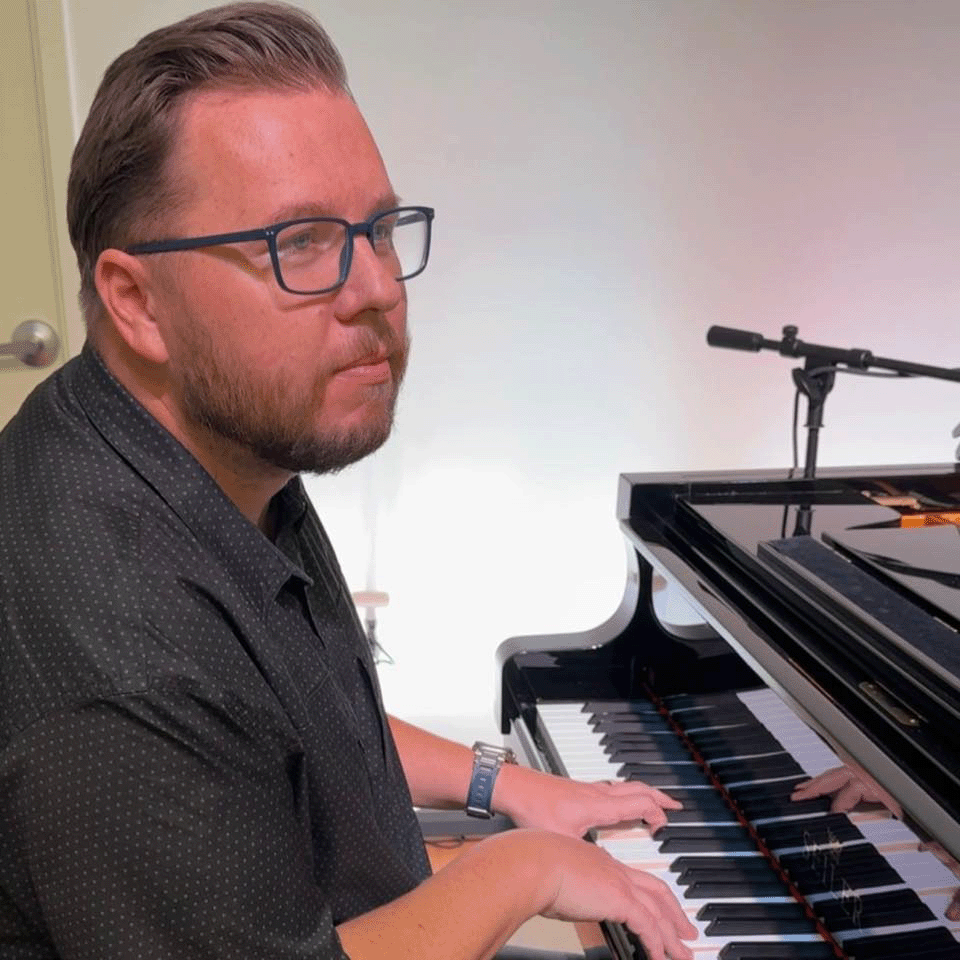
I run an IT and Cybersecurity company that helps businesses strengthen and adapt their security postures while keeping system uptime optimal. Off the clock I’m a pianist, a Bible student, a husband, and a dad. I write to think out loud — mostly about technology, faith, and the places the two keep bumping into each other.