

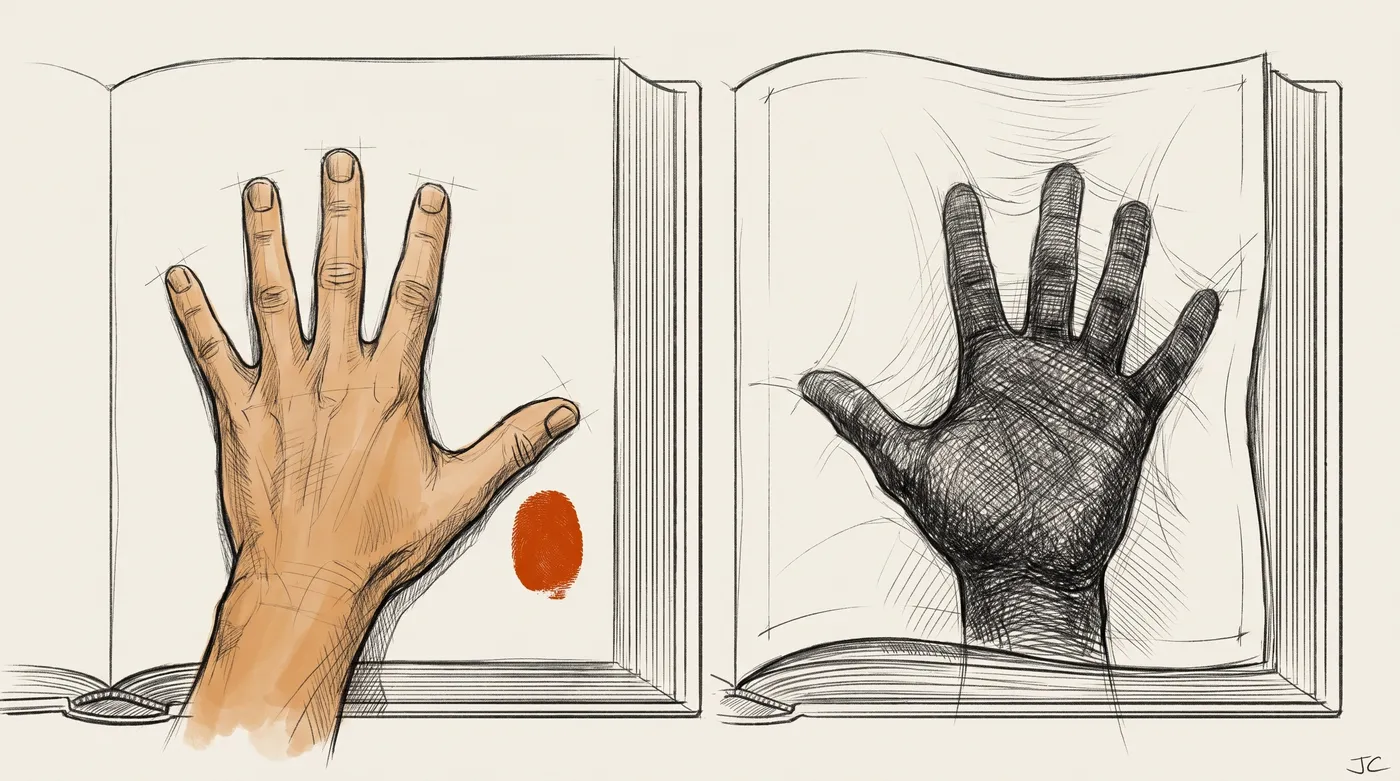
I love when an author is honest. I’ve been reading Howard Zinn’s A People’s History of the United States, published in 1980, and Zinn makes it clear at the beginning that he holds a position and he intends to defend it. Of course we know this to be true of any author, but too often we can’t decode that position until we’re no less than 100 pages in.
One of my core ideas is that everyone should take responsibility for gaining insight into how the world really is. To seek understanding about the things they didn’t tell us – or outright mischaracterized – when we were in school. Howard Zinn helped me with that when it comes to American history. His aim is to tell the American story from underneath. From the perspective of the Native peoples, the enslaved, women, immigrants – and to treat the figures other authors lionized as beneficiaries of somebody else’s real-life costs.
For example, I recently picked up a couple of ancient issues of American Heritage magazine, where the American frontier is portrayed as open and available. Zinn shows that it was taken. In the first chapter you’ll read the words Christopher Columbus himself wrote with his own hand about how the Indians would be very easy to overtake by force and useful for serving his agenda, and I think this should definitely make you say “hmm.”

Mid-nineteenth-century historical accounts are often written in a confident, triumphalist register that’s thin on Black, Native, and women’s history, and is usually inclined to treat the American story purely as a march of progress. I don’t think they were just lying outright. But their silence on the issues they didn’t address is deafening when read with a critical bent, and I think that silence is as much of a document as their articles.
What I most respect about Howard Zinn is that he doesn’t pretend to be neutral. He makes it abundantly clear in the introduction that he’s taking a side. He states that no history is objective anyway, so he’d rather declare his position than smuggle it. I find this refreshing and tremendously more honest than the consensus historians who write from a position just as loaded but call it common sense.
Zinn says:
I prefer to try to tell the story of the discovery of America from the viewpoint of the Arawaks, of the Constitution from the standpoint of the slaves, of Andrew Jackson as seen by the Cherokees, of the Civil War as seen by the New York Irish, of the Mexican war as seen by the deserting soldiers of Scott’s army, of the rise of industrialism as seen by the young women in the Lowell textile mills, of the Spanish-American war as seen by the Cubans, the conquest of the Philippines as seen by black soldiers in Luzon, the Gilded Age as seen by southern farmers, the First World War as seen by socialists, the Second World War as seen by pacifists, the New Deal as seen by blacks in Harlem, the postwar American empire as seen by peons in Latin America.
That, being as blunt as I can, is my approach to the history of the United States. The reader may as well know that before going on.
Thank you, sir. Better to know now than find out on page 400.
Before anybody gets too crazy with any political labels, it’s worth noting that the book draws serious criticism from both the left and the right. Michael Kazin argued that Zinn’s history is a morality tale, reducing the past to villains and victims, with ordinary Americans given no agency except as people things happen to. Others made similar objections. The recurring complaint is that Zinn goes too far in the opposite direction from what he intends to correct, and that he cherry-picks by necessity. There may be some level of truth to these claims as well. I find that truth is rarely in the extremes.
But I myself am finding A People’s History significantly refreshing in the polarizing culture of 2026, where both sides demand total allegiance or you get total exile. Zinn’s take on American history at least presses against the textbook versions with honest conviction and what I find to be convincing vigor.
An honest author who might be extreme – I’ll take them any day over one who tries to hide an agenda in formal tones that agree with consensus just because that’s the safer way to write.
Sources
- Howard Zinn, A People’s History of the United States (HarperCollins, 1980) – introduction and chapter 1
- Michael Kazin, critique of Zinn – Dissent, Spring 2004
Author

I run an IT and Cybersecurity company that helps businesses strengthen and adapt their security postures while keeping system uptime optimal. Off the clock I’m a pianist, a Bible student, a husband, and a dad. I write to think out loud — mostly about technology, faith, and the places the two keep bumping into each other.